Choosing the right Sealed Gear Motor becomes critical when equipment crosses borders, climates, and demanding work environments. A motor tested in a clean workshop may face dust, rain, salt air, vibration, or sudden temperature changes abroad. Its enclosure can protect gears, bearings, and electrical components from moisture and contamination. That protection can reduce unexpected stoppages and preserve torque transmission during long operating cycles.
Robert L. Norton, a respected mechanical-design author, said, “Design is an iterative process.” This principle matters when selecting a Sealed Gear Motor for global applications. Engineers must examine load, duty cycle, mounting position, ingress protection, voltage, lubrication, and service access. A food-processing conveyor may need frequent washdown resistance. A warehouse vehicle may need compact torque and quiet operation. Outdoor equipment may require corrosion-resistant materials and reliable seals.
Small details matter.
However, sealing is not automatically the best answer. A tightly enclosed motor can retain heat if cooling is poorly designed. Incorrect voltage or unsuitable gearing can still cause failure. This is where practical experience becomes valuable. Teams should review supplier test data, operating temperatures, seal materials, and regional maintenance capabilities before purchase. They should also question assumptions. “Global” does not mean identical. Climate, installation quality, spare-part availability, and operator habits can change performance significantly. A well-chosen Sealed Gear Motor offers more than protection; it provides a dependable foundation for machinery that must keep moving across varied and unpredictable conditions.
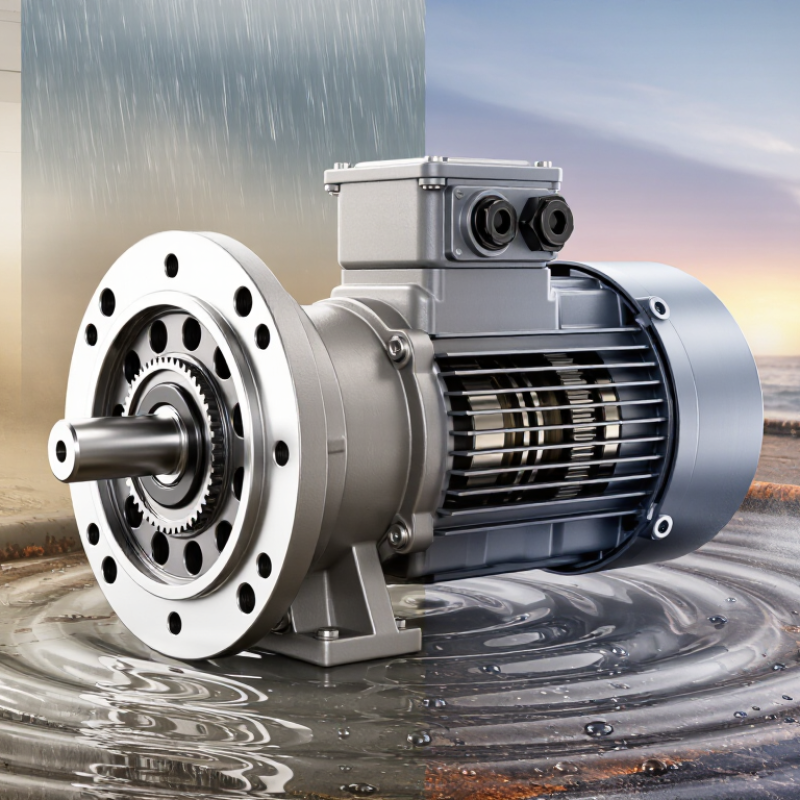
What Is a Sealed Gear Motor?
What Is a Sealed Gear Motor?
A sealed gear motor combines an electric motor and gearbox inside a protected housing. Seals help retain lubricant and block dust, moisture, and fine particles from reaching internal components. In practical use, this design suits conveyors, pumps, automated doors, and outdoor equipment. Picture a motor beside a loading bay, facing rain, grit, and daily vibration. Its enclosed structure can reduce contamination-related failures and simplify equipment protection.
However, “sealed” does not mean identical protection everywhere. Engineers should check the enclosure rating, shaft seal design, operating temperature, and corrosion resistance. An IP rating may describe water and dust resistance, but it does not guarantee performance in every climate. Coastal air, freezing conditions, and frequent washdown create different stresses. Local electrical requirements also matter, especially when equipment crosses borders.
A sealed unit is not maintenance-free. Seals can harden, bearings can wear, and trapped heat can shorten service life. That distinction matters. From field experience, selecting a motor only by enclosure rating can cause expensive surprises. I would also review load cycles, gearbox lubrication, mounting position, and available replacement parts. The best choice balances protection, efficiency, serviceability, and realistic site conditions. Sometimes, a less enclosed design with proper external protection may perform better.
How Sealed Gear Motors Protect Internal Components
Why Choose a Sealed Gear Motor for Global Applications?
How Sealed Gear Motors Protect Internal Components
A sealed gear motor creates a controlled barrier around gears, bearings, and lubricants. This barrier limits dust, moisture, salt spray, and process debris from entering the housing. In coastal installations, airborne salt can settle on equipment like fine powder. In dusty plants, small particles may work into exposed bearings and damage their surfaces. A sealed housing helps reduce these risks during continuous operation.
Sealing also protects lubricant quality. When water enters a gearbox, it can thin the lubricant and encourage corrosion. The result may include louder operation, higher temperatures, and uneven torque. Proper seals help retain lubricant around gear teeth, where it supports smoother contact and reduces wear. Pressure changes can still challenge a housing, especially during rapid temperature shifts. That detail is easy to overlook.
Field inspections should examine shaft seals, mounting points, and cable entries. A strong enclosure cannot compensate for poor installation or damaged sealing surfaces. Selecting suitable materials matters too. Rubber compounds, stainless components, and protective coatings should match the local temperature and chemical exposure. No seal lasts forever. Regular checks remain necessary, even in well-designed systems.
Key Benefits for Global Operating Conditions
Why Choose a Sealed Gear Motor for Global Applications?
Key Benefits for Global Operating Conditions
A sealed gear motor helps equipment operate reliably across demanding environments. Its enclosed housing limits dust, water splash, and abrasive particles from reaching internal gears. This matters in agricultural systems, packaging lines, outdoor gates, and material-handling equipment. From field service experience, contamination often causes gradual wear before operators notice performance changes. A sealed design can reduce that risk and support longer service intervals. It is not maintenance-free.
Global installations also face changing temperatures, humidity, and electrical standards. A suitable motor should match the local voltage, frequency, insulation class, and ambient temperature. Cold mornings can thicken lubricant, while hot enclosures can accelerate aging. Corrosive coastal air creates another concern. Choose appropriate housing materials and verify the stated protection rating. An IP rating is useful, but it does not guarantee protection against every environment. That assumption deserves questioning.
Tips: Confirm the operating temperature range before ordering. Check shaft seals after transport and installation. Leave space for heat dissipation. Use corrosion-resistant fasteners near the sea. Record unusual noise, vibration, or leakage during inspections. Small records become valuable evidence later. Sealing can also trap heat, and this trade-off is sometimes overlooked. A careful engineer should review load cycles, starting torque, and duty time rather than selecting by rated power alone.
Why Choose a Sealed Gear Motor for Global Applications?
Key benefits for global operating conditions: selecting an enclosure with the right ingress protection helps sealed gear motors handle dust, water, and changing installation environments.
How to read the chart: The first IP digit represents protection against solid particles, while the second represents protection against water. IP67 and IP68 support temporary or continuous immersion only under the specific test conditions defined for the enclosure.
Reference framework: IEC 60529 Ingress Protection (IP) Code. Actual motor suitability depends on the complete product specification and installation conditions.
Applications Across Diverse Industries and Environments
Why Choose a Sealed Gear Motor for Global Applications?
Applications across diverse industries demand more than compact torque. A sealed gear motor protects internal gears from dust, moisture, washdown spray, and chemical residue. This matters in food processing, conveyor systems, packaging lines, agricultural equipment, and outdoor infrastructure. Field technicians often find contamination before mechanical wear causes failure. A sealed enclosure can delay that failure.
The International Energy Agency estimates that electric motor systems consume about 50% of global electricity. Even small efficiency losses can become expensive across thousands of operating hours. A correctly selected gear motor supports stable speed, controlled torque, and lower maintenance frequency. IEC 60529 ingress protection ratings help engineers match enclosure protection with real conditions. IP ratings are not magic, though. A motor rated for water jets may still suffer from heat, poor lubrication, or incorrect installation.
Global projects also face uneven climates and service access. A motor operating beside a dusty road in Chile differs from one inside a humid coastal plant in Vietnam. The U.S. Department of Energy’s 2023 Motor System Market Assessment highlights the large energy impact of motor-driven equipment in manufacturing. That impact makes lifecycle decisions more important than purchase price alone. Yet sealed designs can be over-specified. I have seen teams choose maximum protection without checking temperature, duty cycle, or cleaning chemicals. That choice may increase cost and reduce thermal performance. Application data should lead the decision.
Not assumptions.
How to Select and Maintain a Sealed Gear Motor
Why Choose a Sealed Gear Motor for Global Applications?
Selecting a sealed gear motor starts with the environment, not the catalog. Record voltage, frequency, duty cycle, starting torque, ambient temperature, and installation angle.
A motor rated IP65 resists dust and water jets, according to IEC 60529. It does not guarantee chemical resistance or long-term immersion. Check the seal material against washdown fluids, salt air, and cleaning agents. A small mismatch can become an expensive failure.
Efficiency also matters. The International Energy Agency estimates that electric motor-driven systems consume about 43–46% of global electricity. Choose an efficiency class aligned with IEC 60034-30-1, then verify real operating load.
Oversizing looks safe, but it can increase losses and reduce control quality. Sealed does not mean maintenance-free. Inspect cable glands, mounting bolts, output-shaft play, unusual noise, and surface temperature during scheduled checks. Keep vents and surrounding surfaces clear.
Look closely.
In field inspections, condensation inside a terminal box often reveals poor installation rather than motor failure. Use correct connectors, drip loops, and breathable protection where the design permits.
Follow the manufacturer’s lubrication interval; some gearboxes use sealed lubricant, while others require replacement. The U.S. Department of Energy’s Motor System Management guidance emphasizes measurement, alignment, and preventive maintenance.
Still, assumptions happen. Recheck the motor after seasonal temperature changes, voltage variation, and repeated cleaning. A reliable global selection is rarely the most powerful option; it is the one matched carefully to its actual surroundings.
FAQS
It suits dusty, damp, outdoor, and abrasive environments. Common examples include farms, packaging lines, gates, and conveyors. The housing blocks many contaminants. It is not maintenance-free.
No. An enclosure rating describes specific test conditions. It may resist dust and water jets, but not chemicals or permanent immersion. Check the stated rating and exposure details carefully. Assumptions can fail.
Confirm the local voltage, frequency, insulation class, and ambient temperature. A mismatch can cause overheating, poor starting, or early failure. Check the nameplate before installation. Do not guess.
Cold conditions can thicken gearbox lubricant and slow starting. Hot enclosures can accelerate insulation and lubricant aging. Leave space around the motor for heat dissipation. Measure surface temperature during inspections.
Record load cycles, starting torque, duty time, installation angle, and operating temperature. Also document voltage variation and cleaning conditions. Rated power alone is not enough. Small records matter.
Inspect cable glands, mounting bolts, shaft seals, and output-shaft movement. Watch for unusual noise, vibration, leakage, or rising surface temperature. Follow the gearbox lubrication schedule. Sealed does not mean maintenance-free.
Use suitable connectors, secure cable glands, and correctly formed drip loops. Where permitted, use breathable protection designed for the enclosure. Condensation may indicate poor installation rather than motor failure. Look closely.
No. Oversizing can increase energy losses and weaken control quality. Choose a motor matched to the real load and duty cycle. Review heat, starting torque, and repeated operating cycles. More power is not always better.
Conclusion
A Sealed Gear Motor combines an electric motor and a gear reduction system within a protected housing, delivering controlled speed and torque while shielding sensitive internal parts. Its sealed construction helps prevent the entry of dust, moisture, dirt, and other contaminants, while retaining lubricant and reducing the risk of corrosion, wear, and premature component failure. This protection makes it suitable for global operating conditions where equipment may face humidity, temperature changes, vibration, or challenging outdoor environments.
The main benefits of a Sealed Gear Motor include improved reliability, reduced maintenance, longer service life, and consistent performance across industries such as automation, material handling, food processing, agriculture, and renewable energy. When selecting one, users should consider load requirements, speed, torque, duty cycle, mounting arrangement, enclosure protection, ambient conditions, and power compatibility. Regular inspection, proper cleaning, lubricant checks, and timely replacement of worn components can help maintain efficiency and dependable operation throughout the motor’s service life.
 OmniDrive Motor
