OmniDrive Motor OmniDrive Motor

Why Choose Mini Gear Motors for Your Applications?

Time:2026-08-31 Author:Liam
0%

When considering power solutions for various applications, the choice of motor is crucial. Mini Gear Motors stand out in this arena. They offer compact designs and impressive torque capabilities. According to Dr. Emily Chen, a leader in motor engineering, “Mini Gear Motors are redefining efficiency in limited spaces.” Her insights underline the significance of size without compromising performance.

The versatility of Mini Gear Motors makes them ideal for diverse industries. From robotics to medical devices, their applications are vast. Users benefit from reduced size and weight, which is essential in today’s designs. Yet, not all Mini Gear Motors are created equal. Selecting the right one can be challenging, as performance may vary widely among manufacturers.

Many engineers overlook specific requirements when choosing Mini Gear Motors. It's essential to reflect on load demands, speed, and duty cycle. These factors can greatly impact the motor's effectiveness. A wrong choice could lead to inefficient performance or early failure. Therefore, gaining a deeper understanding of Mini Gear Motors is vital for achieving optimal results in your projects.
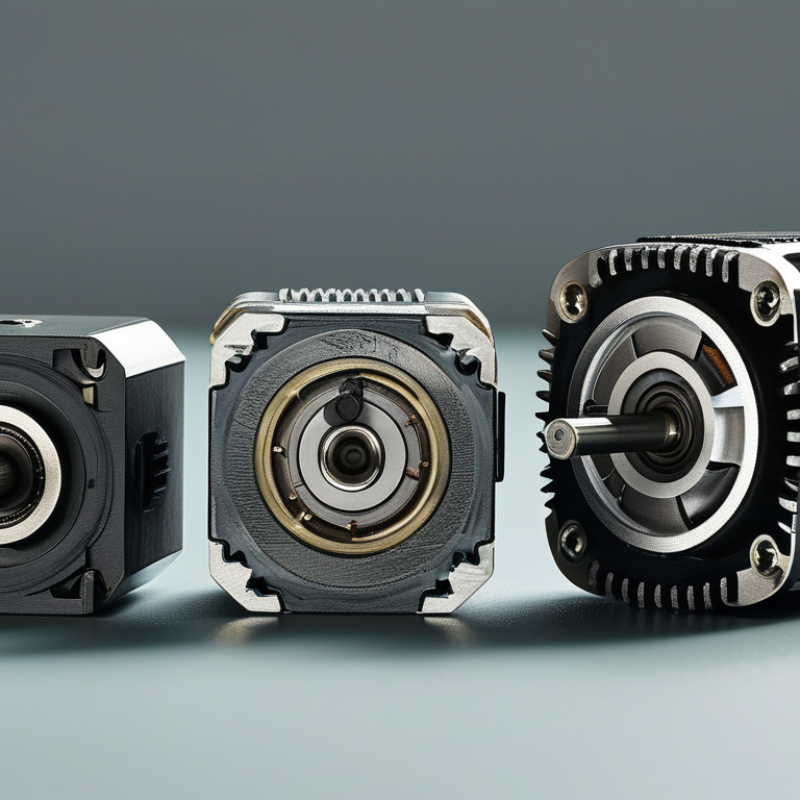
Why Choose Mini Gear Motors for Your Applications?

Understanding Mini Gear Motors and Their Mechanisms

Mini gear motors play a crucial role in various applications, providing efficient motion control. These compact motors combine a gearbox with an electric motor. The design allows for high torque output while maintaining a small size. According to industry reports, the global gear motor market is expected to grow, reaching approximately $20 billion by 2025.

Understanding their mechanisms is key. Mini gear motors use different types of gearing, such as spur and planetary gears. Spur gears are efficient but can be noisy. Planetary gears offer compactness and improved torque distribution. This knowledge helps engineers select the right motor for their specific needs. Research indicates that around 60% of engineers prioritize size and torque when choosing motors.

Mini gear motors are often chosen for robotics, automation, and consumer appliances. They facilitate precise control in tight spaces. However, designers must reflect on limitations such as heat generation in continuous use. It's vital to balance performance and durability in various environments. The unique construction of mini gear motors allows for versatility, making them indispensable tools in modern engineering.

Key Benefits of Using Mini Gear Motors in Various Applications

Mini gear motors are increasingly popular in various applications due to their compact size and efficiency. They combine a small motor with gear reduction to provide high torque in a limited space. Engineers appreciate their versatility, which allows them to be applied in robotics, medical devices, and automotive systems. This adaptability means that they can power precision instruments or facilitate movement in remote-controlled models.

One key benefit of mini gear motors is their energy efficiency. By reducing the speed and increasing the torque through gearing, these motors consume less power for demanding tasks. This is particularly important in battery-operated devices where optimizing energy use extends operation time. However, users must consider the trade-offs, such as potential heat generation and wear over time. Regular maintenance can help mitigate these issues.

Additionally, mini gear motors often have a long lifespan when used within their designed parameters. The robust nature of these motors makes them suitable for continuous operation. Still, improper use or overload can lead to failure. Therefore, precise calculations and thorough testing are essential in selecting the right mini gear motor for specific needs. These factors highlight the need for professional guidance in application design to maximize their benefits.

Applications Where Mini Gear Motors Excel

Mini gear motors have become essential in various industries. Their compact size and high torque output make them ideal for applications that require precision and reliability. According to a report by the International Federation of Robotics, mini gear motors are increasingly used in robotics, representing a growth rate of 24% from 2020 to 2023. This is largely due to their efficiency in powering robotic arms and automated systems.

In the automotive sector, mini gear motors excel in applications such as seat adjustments and window lifts. A study by the Society of Automotive Engineers highlights that nearly 30% of automotive electronic components rely on mini gear motors. These motors provide the necessary force while maintaining a lightweight profile, crucial for modern vehicle design.

Another field where mini gear motors are making a significant impact is medical devices. The demand for portable and precision devices has surged. Reports indicate that the market for medical mini gear motors will grow by 18% annually. This trend underscores their importance in applications like surgical robots and portable pumps. However, as technology advances, manufacturers face challenges in meeting the increasing demands for energy efficiency and lifespan. Addressing these issues requires continuous innovation and reflection on existing designs.

Why Choose Mini Gear Motors for Your Applications? - Applications Where Mini Gear Motors Excel

Application Mini Gear Motor Advantage Typical Specifications
Robotic Systems Compact size and high torque Voltage: 12V, Torque: 3 Nm
Home Appliances Quiet operation and energy efficiency Voltage: 24V, Speed: 150 RPM
Conveyor Systems Reliable performance in variable loads Voltage: 36V, Torque: 5 Nm
Medical Devices Precise control and safety features Voltage: 12V, Speed: 60 RPM
Automated Guided Vehicles (AGVs) High reliability and low maintenance Voltage: 24V, Torque: 2 Nm

Factors to Consider When Selecting Mini Gear Motors

When selecting mini gear motors, consider the torque requirements of your application. Torque defines how much weight a motor can move. If your device requires high torque for specific tasks, a robust motor will be essential. Be mindful of the motor size; smaller motors may struggle with heavier loads, leading to inefficiencies.

Another crucial factor is the speed of the gear motor. Different applications require varied speeds. For precise control, you might need a motor that can adjust its speed dynamically. Consider the gear ratio; it impacts both speed and torque. A higher gear ratio can provide more torque but at lower speeds. If this balance is not right, device performance can suffer.

Don't overlook the environment where the motor will function. Factors like temperature, humidity, and dust can affect performance. Ensure the mini gear motor is rated for the specific conditions it will face. Reliability in these environments can be tricky and is often underestimated. An inappropriate choice may lead to frequent repairs or even failure, which could compromise your project.

Comparative Analysis: Mini Gear Motors vs. Traditional Motors

Mini gear motors are gaining traction in various industries due to their unique advantages over traditional motors. A detailed analysis shows that mini gear motors often offer higher torque and a reduced size. Many applications, such as robotics and automation, benefit from these compact yet powerful units. According to industry reports, the market for mini gear motors is expected to grow by over 10% annually, underlining their rising significance.

One of the critical differences lies in efficiency. Mini gear motors typically achieve better efficiency ratings compared to traditional motors. They can operate effectively at lower speeds, which can lead to energy savings. For instance, a study by an engineering firm noted that switching to mini gear motors could reduce energy consumption by up to 30%. However, some limitations exist. Mini gear motors may not handle extreme power loads as effectively as their larger counterparts. This factor must be weighed carefully based on the application's demands.

Cost-effectiveness is another aspect to consider. While traditional motors can be cheaper upfront, the long-term savings with mini gear motors might offset initial expenses. A comprehensive cost-benefit analysis is crucial here. Ultimately, each application has unique needs, and the choice between mini gear motors and traditional motors should reflect specific performance and efficiency requirements.

Comparison of Mini Gear Motors and Traditional Motors

FAQS

: What are mini gear motors used for?

: Mini gear motors are commonly used in robotics, automotive applications, and medical devices.

Why are mini gear motors growing in popularity?

Their compact size and high torque make them efficient for precise tasks, leading to a 24% growth rate in robotics.

What factors should be considered when choosing a mini gear motor?

Consider torque, speed, gear ratio, and the environment in which the motor will operate.

How does torque affect motor selection?

Torque determines how much weight a motor can move. Higher torque may be needed for heavier applications.

What is the importance of speed in mini gear motors?

Different tasks require different speeds, and adjustable speed is often essential for precise control.

Can mini gear motors handle extreme loads?

They may not perform as well under extreme loads compared to larger motors, which is an important consideration.

Are mini gear motors more energy-efficient than traditional motors?

Yes, they often achieve better efficiency ratings, potentially lowering energy consumption by up to 30%.

How do mini gear motors compare in cost to traditional motors?

While traditional motors may be cheaper initially, mini gear motors can offer long-term savings through efficiency.

What environmental factors affect mini gear motor performance?

Temperature, humidity, and dust can impact reliability and performance, so motor ratings should match operating conditions.

What challenges do manufacturers face with mini gear motors?

They need to innovate continuously to address demands for energy efficiency and longer lifespan in designs.

Conclusion

Mini gear motors are compact and efficient devices that play a crucial role in various applications due to their unique mechanisms that combine a motor with a gearbox. These motors offer several key benefits, including enhanced torque, speed reduction, and improved control, making them ideal for applications ranging from robotics to automotive systems. Their size and performance characteristics allow them to excel in tight spaces where traditional motors may struggle.

When selecting a Mini Gear Motor, it is important to consider factors such as power requirements, load specifications, and the working environment. A comparative analysis indicates that mini gear motors often outperform traditional motors in efficiency and versatility, particularly in scenarios that demand precise movement and energy conservation. Overall, the mini gear motor stands out as a valuable component in modern technological applications, effectively meeting the needs of diverse industries.

Liam

Liam

Liam is a dedicated marketing professional with a profound expertise in the industry, where he excels at highlighting the unique advantages of our core products. With a keen understanding of market trends and consumer needs, Liam frequently updates our company’s professional blog, providing......