OmniDrive Motor
The global demand for Plastic Gear Motors is on the rise. According to a recent industry report, the market is projected to grow by about 6% annually. This growth reflects the shift towards lightweight and efficient motor solutions. Industries such as robotics, automotive, and consumer electronics are driving this trend.
China stands as a key player in manufacturing high-quality Plastic Gear Motors. With numerous companies leveraging advanced technologies, they offer various options for international buyers. However, navigating the landscape of suppliers can be challenging. It’s crucial to assess not only the product specifications but also the reliability of manufacturers.
Consumers need to consider factors like durability and performance. Many buyers overlook the importance of these attributes. Choosing the right Plastic Gear Motor requires informed decisions, based on detailed supplier evaluations. As the market continues to evolve, staying updated on industry standards becomes increasingly essential for global buyers.
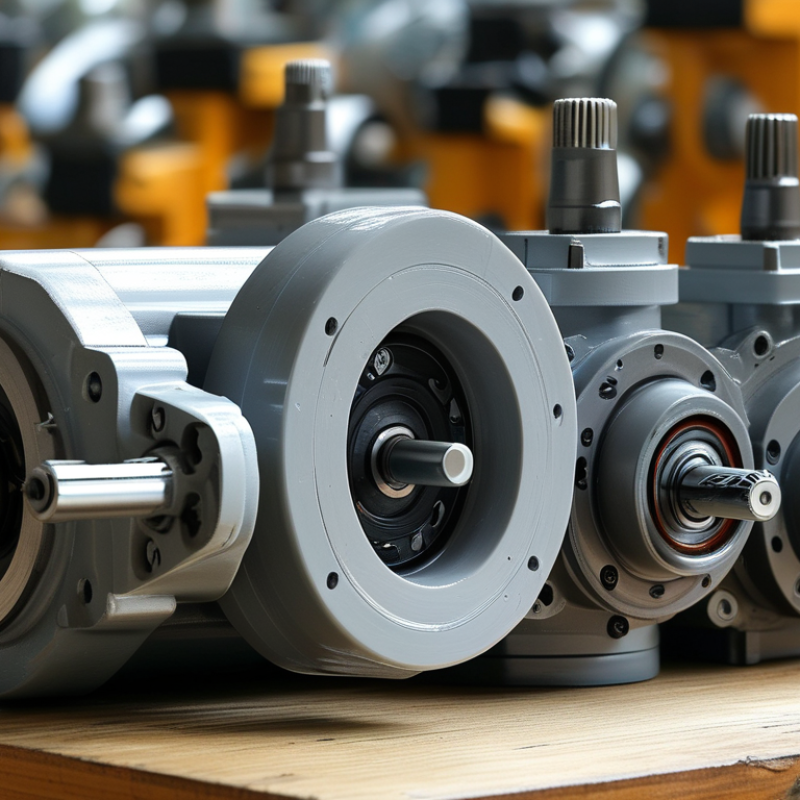
The plastic gear motor market is experiencing significant growth. With increasing automation in various sectors, the demand for these motors has surged. According to a recent market analysis, the global plastic gear motor market is projected to reach $3.2 billion by 2025, growing at a CAGR of 9.5%. This indicates a robust appetite for efficient and compact solutions.
Industries such as robotics, automotive, and consumer electronics are major contributors to this demand. Plastic gear motors provide lightweight solutions with high efficiency. However, quality and durability often remain concerns. Many manufacturers are under pressure to improve material resilience while keeping costs low. This creates a gap where innovation is necessary.
Additionally, the competition in this segment is fierce. New players emerge continuously, often with untested designs. Buyers must exercise caution. Thorough evaluations and comparisons are essential. Reliable suppliers often provide detailed performance data and testing results. This transparency is key to making informed decisions. The market’s evolution will certainly require adaptability from both buyers and manufacturers.
China has emerged as a leading hub for plastic gear motors, thanks to its innovative manufacturers. These companies focus on creating motors that are lightweight and highly efficient. They utilize advanced materials and technologies to improve performance while keeping costs low. In addition, manufacturers are increasingly adopting eco-friendly practices, ensuring that their products have a minimal environmental impact.
Manufacturers continuously innovate to meet market demands. They implement rigorous testing protocols to guarantee the durability of their motors. This attention to quality sets them apart in a crowded marketplace. Customization is often available, allowing customers to modify specifications for unique applications. This adaptability is critical in a rapidly changing industrial landscape.
Tips for global buyers: Look for suppliers that prioritize quality control. Verify their certifications and customer reviews. Additionally, consider the after-sales support they offer, as this can greatly influence your purchasing experience. Identifying reputable manufacturers may take time, but it's crucial for successful sourcing. Evaluate their willingness to adapt to your specific needs, as flexibility is a key factor in successful collaborations.
When exploring the realm of plastic gear motors, efficiency is a critical factor. These motors must convert electrical energy into mechanical energy effectively. A typical efficiency range for quality models lies between 70% to 90%. Higher efficiency can lead to cost savings in the long run. However, achieving maximum efficiency often requires a balance between design and material selection.
Torque is another significant parameter. It defines the motor's ability to perform tasks like lifting or pushing heavy loads. Many plastic gear motors offer torque ratings from 10 to 50 Nm, depending on their design. Buyers should consider the torque requirements of their specific applications. Sometimes, a motor may offer high torque but at the cost of efficiency. This trade-off can lead to dissatisfaction if not carefully evaluated.
Lastly, the lifespan of these motors is essential for durability. Typically, plastic gear motors have a lifespan of approximately 1,000 to 10,000 hours. This variance depends on usage, maintenance, and operational conditions. Manufacturers often provide guidelines, yet real-world applications may differ. Potential buyers should reflect on their specific needs and conduct thorough assessments to ensure they choose a motor that aligns with their expectations. Making informed choices can help avoid potential setbacks later.
The global gear motors industry shows significant growth potential. Recent reports indicate a compound annual growth rate (CAGR) of about 5.2% over the next five years. This rise is largely attributed to increasing automation in various sectors. Manufacturers are now focusing on innovative designs and materials to enhance efficiency.
In addition, the demand for plastic gear motors is expanding. These motors are favored for their lightweight and corrosion-resistant properties. As industries prioritize cost-effective solutions, plastic gear motors represent an attractive option. However, challenges remain. While production costs may be low, durability issues need addressing. Manufacturers must focus on improving the longevity of these products.
Market analysts predict that advancements in technology will further influence growth. The integration of smart technologies is becoming a trend. Manufacturers are exploring IoT applications in gear motors. This evolution raises questions about the future landscape. Will companies adopt these technologies quickly enough? The need for strategic investments in research and development has never been more urgent.
This chart displays the projected growth rates for plastic gear motors in the global market over the next five years. It highlights the increasing demand driven by advancements in technology and manufacturing processes.
When comparing the cost-effectiveness of plastic gear motors from China to global counterparts, several factors come into play. Chinese manufacturers often offer competitive pricing, making these products attractive to buyers worldwide. The production costs in China can be significantly lower due to various economic factors, including labor costs and raw material availability. This advantage allows companies to provide budget-friendly options for diverse applications.
However, it is essential to assess the quality alongside the price. While many Chinese products meet international standards, not all manufacturers maintain the same level of quality assurance. Some buyers have reported inconsistencies in performance and durability. These issues can lead to longer-term costs, negating initial savings. Buyers should conduct thorough research and seek reliable suppliers, as due diligence can prevent costly mistakes.
Additionally, the manufacturing process in China is sometimes less transparent. This lack of clarity can make it difficult for buyers to evaluate the production practices and material choices. Engaging with manufacturers directly and requesting detailed specifications may help bridge this gap. Understanding the balance between cost and quality is crucial for making informed purchasing decisions.
| Motor Type | Voltage (V) | Torque (Nm) | Speed (RPM) | Price (USD) | Cost-Effectiveness |
|---|---|---|---|---|---|
| Plastic Gear Motor A | 12 | 0.5 | 200 | 20 | High |
| Plastic Gear Motor B | 24 | 1.0 | 100 | 30 | Medium |
| Plastic Gear Motor C | 36 | 0.8 | 300 | 25 | High |
| Plastic Gear Motor D | 12 | 0.3 | 150 | 15 | Medium |
| Plastic Gear Motor E | 18 | 0.6 | 250 | 22 | High |
| Plastic Gear Motor F | 24 | 0.7 | 280 | 18 | Medium |
| Plastic Gear Motor G | 12 | 0.4 | 160 | 16 | High |
| Plastic Gear Motor H | 36 | 0.5 | 220 | 28 | Medium |
| Plastic Gear Motor I | 12 | 0.2 | 140 | 14 | Low |
| Plastic Gear Motor J | 24 | 1.1 | 90 | 35 | Medium |
: They are lightweight, efficient motors designed to convert electrical energy into mechanical energy.
Quality plastic gear motors typically have an efficiency range of 70% to 90%.
Torque is crucial. It measures a motor's ability to lift or push heavy loads.
Torque ratings generally range from 10 to 50 Nm, depending on the motor's design.
The lifespan typically ranges from 1,000 to 10,000 hours, influenced by usage and maintenance.
Check quality control, certifications, and customer reviews of potential suppliers.
Yes, many manufacturers allow customization to meet specific application needs.
There is significant growth due to increasing automation and a shift towards lightweight materials.
While production costs are low, durability issues still need addressing for long-term reliability.
The integration of IoT applications is emerging but requires strategic investment for advancement.
The article "Top 10 Plastic Gear Motors from China for Global Buyers" provides a comprehensive overview of the growing market demand for plastic gear motors, highlighting their increasing popularity due to their efficiency and cost-effectiveness. It examines key manufacturers in China, emphasizing their innovative approaches and contributions to the industry.
Additionally, the discussion includes important technical specifications such as efficiency, torque, and lifespan, which are critical factors for buyers evaluating plastic gear motors. The article also analyzes current market trends, looking at growth rates and future projections for the gear motors industry, ultimately providing a comparative analysis that positions Chinese plastic gear motors favorably against global competitors in terms of cost-effectiveness.
