OmniDrive Motor
Choosing a Compact Gear Motor supplier in China requires more than comparing catalog prices. Global buyers must examine torque stability, gearbox materials, noise levels, thermal performance, and production consistency. A motor may look efficient on paper, yet struggle inside a conveyor, medical device, packaging line, or automated valve.
As motion-control specialist Dr. Andreas Wagener says, “A small motor still carries a large engineering responsibility.” This principle matters when space is limited. A compact housing must protect gears, bearings, windings, and seals under repeated loads. Tiny dimensions do not excuse weak engineering.
China offers a broad supplier base. Some manufacturers specialize in planetary gearboxes, while others focus on worm, spur, or brushless designs. Their capabilities can differ sharply. Factory visits, sample testing, and inspection records often reveal more than polished brochures.
Look closely.
Reliable suppliers should explain gear ratios, rated torque, duty cycles, backlash, ingress protection, and expected service life. They should also provide traceable test data and responsive technical support. Certification documents deserve careful review, not automatic trust.
The right partner is not always the cheapest one. A lower purchase price can become expensive through noise complaints, early wear, or inconsistent batches. Yet buyers should avoid assuming that every premium supplier performs better. Evidence must guide the decision.
This guide compares China’s leading Compact Gear Motor suppliers for global buyers. It considers engineering depth, customization, quality control, export experience, and after-sales communication. Some conclusions may remain imperfect, because supplier performance can change over time. Careful verification is still essential.
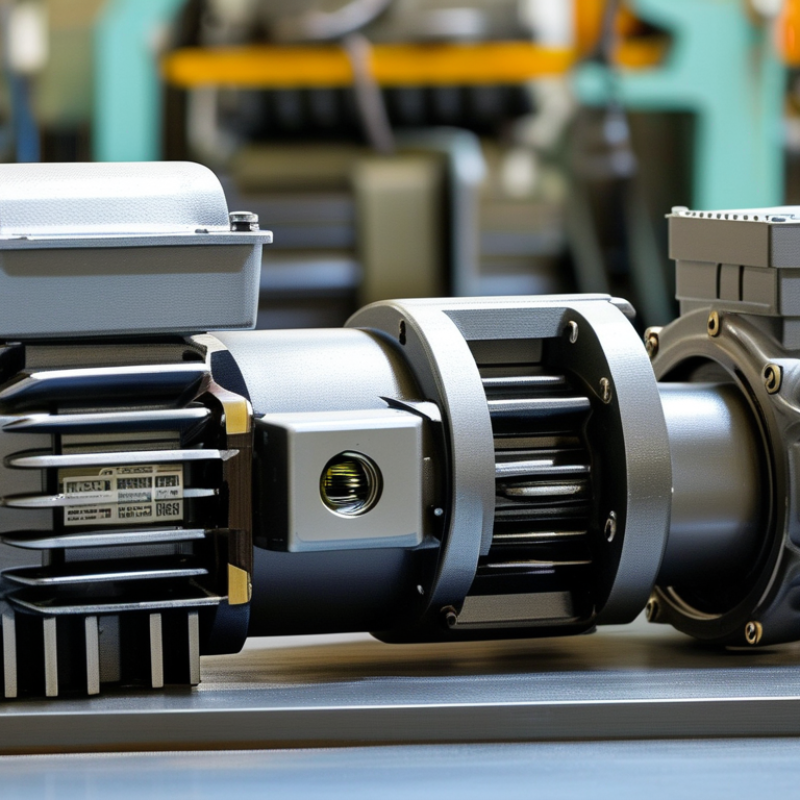
Compact gear motors combine an electric motor with a reduction gearbox in one small assembly. The motor creates rotational power, while the gears lower speed and increase torque. This design saves space and simplifies installation.
Their value becomes clear in compact equipment. A motor turning at 3,000 revolutions per minute may drive a conveyor at only 30 revolutions per minute. The gearbox provides controlled movement for packaging machines, medical beds, vending equipment, automated doors, and small material-handling systems. In robotics, compact gear motors help joints move smoothly without occupying valuable internal space. The International Federation of Robotics reported 541,302 industrial robot installations worldwide in 2023. That growth increases demand for smaller, precise drive components.
Energy use also matters. The International Energy Agency estimates that electric motor systems consume roughly half of global electricity. Efficient gear motors can reduce operating losses, especially in equipment running continuously. Buyers should check torque at the actual working speed, not only the motor’s rated power. Noise, heat, duty cycle, backlash, and shaft alignment also affect reliability. A smaller motor is not automatically better. In field testing, an undersized unit may overheat after repeated starts, although early calculations sometimes miss this detail. Gear selection remains practical, but never perfectly simple.
Compact gear motors combine an electric motor with a reduction gearbox to provide lower speed and higher torque in a small footprint. The chart shows representative output-speed ranges commonly specified for compact geared-motor applications; actual values vary by load, gearbox type, duty cycle, and control method.
Evaluating Chinese gear motor suppliers requires more than comparing unit prices. The U.S. Department of Energy’s 2022 Motor Systems Market Assessment estimates that motor-driven equipment uses about 70% of industrial electricity in the United States. Efficiency deserves serious attention. Ask suppliers for rated torque, speed range, service factor, thermal limits, and measured efficiency at real loads. IEC 60034-30-1 provides a useful framework for checking motor efficiency classes. Certificates alone are not enough.
Review manufacturing evidence. A reliable supplier should provide inspection records, material traceability, test procedures, and clear tolerance data. Check whether gear noise, backlash, sealing, and lubricant performance are tested consistently. ISO 9001 certification can support process control, but it cannot guarantee every shipment. Request samples from different production batches. Small differences often appear there. That is easy to miss.
Tips: Compare samples under identical voltage, load, and operating time. Ask for a 500–1,000-hour endurance test when the application is critical. Confirm spare-part availability, packaging protection, and response times before signing a contract. A supplier may quote excellent efficiency at one operating point, yet perform poorly under continuous overload. This gap deserves written clarification. Do not rely on attractive spreadsheets alone. Verify the data with an independent laboratory when the project budget allows.
Leading China-Based Compact Gear Motor Manufacturers
China-based compact gear motor manufacturers are attracting global buyers through flexible production and competitive engineering support. Grand View Research valued the global gear motors market at about USD 27.34 billion in 2023. Its report projects continued growth through 2030, supported by factory automation, packaging equipment, and material handling systems.
A capable supplier should provide torque curves, gearbox ratios, thermal limits, and noise data. Do not judge performance from a product photograph. A compact motor may fit your machine but fail under continuous load. During technical reviews, ask for life-test records, dimensional drawings, winding details, and sample inspection reports. ISO 9001 certification helps, but it does not replace independent testing. IEC 60034 references can also clarify motor performance and safety expectations. Some suppliers answer quickly. Their documentation can still be incomplete.
Tips: Request three samples from different production batches. Measure starting current, output speed, temperature rise, and backlash. Check performance at your real voltage and duty cycle. Ask whether the quoted efficiency includes the gearbox. It often does not. Also review packaging quality, spare-part support, and communication during a small trial order. A lower price may hide higher alignment costs. The best manufacturer is not always the largest one; consistent data, traceable testing, and honest limitations matter more.
For global buyers, compact gear motor quality starts with measurable evidence, not polished brochures. The IEA estimates that electric motors consume about 45% of global electricity, making efficiency a serious purchasing issue. Ask suppliers for test reports covering rated torque, speed, current, noise, temperature rise, and service life. Compare results at the same voltage and load. Otherwise, the figures can mislead.
Look for compliance with IEC 60034-30-1 efficiency classes and IEC 60529 ingress protection ratings. ISO 9001 supports controlled processes, but it does not guarantee every motor is defect-free. A certificate is not proof of every batch. Request recent calibration records, sample inspection data, and traceable material specifications. The U.S. Department of Energy also identifies motor-driven systems as a major share of industrial electricity use, so small efficiency differences can increase lifetime costs.
Customization requires equal discipline. Confirm gear ratio, shaft geometry, mounting holes, connector position, brake options, and allowable backlash in a signed drawing. Ask whether prototypes use the same bearings, magnets, and winding methods as mass production. This detail is often missed. Require endurance testing under real duty cycles, including starts, stops, dust, and heat. A supplier may offer many options, but too much customization can weaken delivery stability. Compare engineering response time, minimum order quantity, spare-part access, and warranty data beside the unit price. Cheap is not always economical. Sometimes, the “best” specification is simply overbuilt.
China’s compact gear motor suppliers increasingly serve buyers across factories, conveyors, medical equipment, and packaging lines. The International Energy Agency estimates that electric motor systems consume about 53% of global electricity. Efficiency therefore matters beyond the purchase price. Buyers should compare torque curves, gearbox ratios, duty cycles, noise levels, and tested efficiency data, not catalogue claims alone.
Ordering internationally requires precise documentation. A reliable request should state voltage, frequency, mounting position, shaft dimensions, brake requirements, protection rating, and operating temperature. Ask for drawings, test reports, material details, and serial-level quality records. IEC standards can guide motor selection, while destination-market requirements may add certification or labeling duties. Incoterms, export packaging, customs codes, and insurance should be agreed before production begins. A missing detail can delay a container for weeks.
Support is often the real test. Suppliers should provide installation guidance, troubleshooting videos, spare-part lists, and response targets across time zones. The U.S. Department of Energy notes that motors can represent more than half of industrial electricity use, so incorrect sizing creates continuing costs. In practice, remote support is useful, but not always enough. A sample may run smoothly in a clean workshop and struggle in a dusty plant. Buyers should request endurance testing and pilot units before larger orders. Industry reports often forecast steady gear motor growth, yet forecasts cannot replace field evidence. Check references carefully, record failures honestly, and leave room for improvement.
: Compare rated torque, speed range, gear ratio, duty cycle, noise, and tested efficiency. A low price may hide higher operating costs. The spreadsheet can still mislead us.
State voltage, frequency, mounting position, shaft dimensions, brake needs, protection rating, and operating temperature. Include drawings and expected load conditions. Small omissions cause large delays.
Request inspection records, material traceability, tolerance data, and documented test procedures. Check gear noise, backlash, sealing, and lubricant performance. Certificates alone are not proof.
Batch samples can reveal changes in noise, backlash, sealing, or output performance. Test every sample under identical voltage, load, and operating time. Differences are easy to miss.
Ask for measured efficiency at realistic loads, not only the best operating point. Review torque curves, thermal limits, and continuous overload performance. That gap matters.
Critical applications should request a 500–1,000-hour endurance test. Pilot units can run inside the real plant environment. Clean workshops are not enough.
Confirm export packaging, customs codes, insurance, delivery terms, and destination-market labeling duties. Clarify these details before manufacturing begins. Containers can wait for paperwork.
Useful support includes installation guidance, troubleshooting videos, spare-part lists, and response targets across time zones. Remote help may not solve damage caused by dust, heat, or incorrect sizing. Field support needs improvement.
This guide explains what a Compact Gear Motor is, how its integrated motor-and-gearbox design delivers controlled speed and torque, and where it is commonly used, including automation equipment, conveyors, medical devices, packaging systems, and small machinery. It also outlines the main criteria for evaluating suppliers in China, such as engineering capability, production consistency, material quality, testing procedures, communication, and delivery reliability.
The article presents a practical approach to comparing China-based manufacturers without focusing on brand names. It covers how buyers can review product specifications, quality-control systems, certifications, customization options, and sample performance before placing an order. It also discusses key considerations for international purchasing, including technical documentation, packaging, shipping coordination, warranty terms, spare parts, and after-sales support. By following these steps, global buyers can select a suitable Compact Gear Motor supplier and build a more efficient, transparent, and dependable sourcing process.