OmniDrive Motor OmniDrive Motor

Top Electric Gear Motor Manufacturers for Global Buyers

Time:2026-09-25 Author:Ethan
0%

Electric gear motors turn electrical power into controlled motion, yet buyers often judge them by more than rated output. A conveyor may need steady torque through long shifts, while a packaging line may demand compact dimensions and frequent starts. The right choice depends on the application, not a catalogue headline.

The International Energy Agency’s 2011 report, Energy-Efficiency Policy Opportunities for Electric Motor-Driven Systems, estimates that motor-driven systems use about 45% of global electricity. This figure covers a broad range of systems, not gear motors alone. Still, it shows why efficiency, operating hours, and load matching deserve close attention. IEA Executive Director Dr. Fatih Birol has described efficiency as “the first fuel.” That phrase is useful, though it does not replace checking a motor’s actual duty cycle.

This guide to top Electric Gear Motor manufacturers for global buyers focuses on practical comparison: product range, torque and speed options, efficiency information, customization, quality systems, and after-sales support. Buyers should also ask for clear datasheets and confirm that the proposed unit fits the real load. A small mismatch can mean excess heat, noise, or avoidable downtime. A polished website is not proof of consistent production. I would not treat any ranking as universal; supplier performance can vary by model, factory, and application. The details matter.
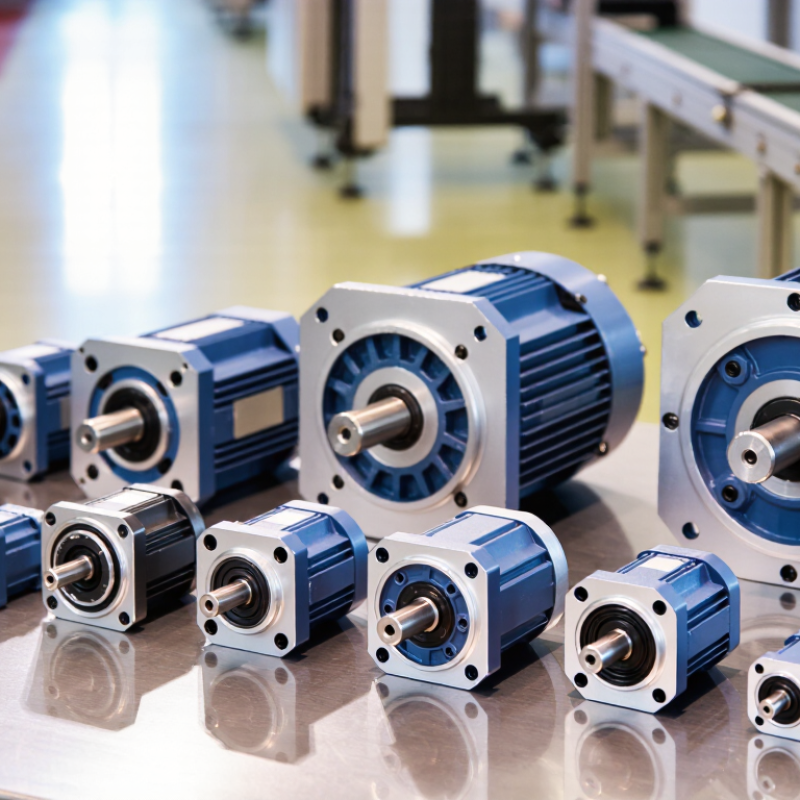
Top Electric Gear Motor Manufacturers for Global Buyers

What Electric Gear Motors Are and How They Work

An electric gear motor combines an electric motor with a gearbox. The motor turns electrical energy into rotation, while the gearbox changes the speed and torque delivered at the output shaft. A reduction ratio of 20:1, for example, makes the output shaft turn about once for every 20 motor rotations. More torque, usually. Actual output also depends on efficiency, motor power, and operating conditions.

Inside the gearbox, meshing gears transfer motion through carefully shaped teeth. Spur gears are straightforward and often economical; helical gears tend to run more smoothly. Worm gears can provide high reduction in a compact space, though they may lose more energy as heat. Planetary gears distribute force across several gears, making them useful where compact size and higher torque matter. The right arrangement depends on the application, not just the headline ratio.

For buyers, check rated torque, output speed, duty cycle, mounting position, and expected load. A conveyor starting with a full belt needs different starting torque from a lightly loaded fan. Gearbox efficiency and heat buildup also deserve attention during long operating cycles. Specifications can look tidy; real loads rarely are. A motor sized only for normal running may struggle during frequent starts or sudden load changes. That detail is easy to miss.

Key Types and Applications of Electric Gear Motors

Electric gear motors combine an electric motor with reduction gearing, trading speed for torque. Their design determines how smoothly a machine starts, handles load, and fits into a production line. Helical gear motors suit conveyors and mixers that need quiet, continuous operation. Bevel units redirect power around a corner, useful in compact processing equipment. Worm drives offer high reduction in a small space, though they can lose more energy as heat. Planetary gear motors deliver high torque density for robotics and automated handling.

The application matters as much as the gear type. A slow conveyor carrying uneven parcels needs reliable starting torque; a packaging machine may need precise speed control and frequent starts. The International Energy Agency’s 2011 report, Energy-Efficiency Policy Opportunities for Electric Motor-Driven Systems, estimates that motor-driven systems use about 45% of global electricity. That figure is broad, not specific to gear motors, but it highlights why matching motor size and operating speed deserves attention. A catalog rating alone can miss real load peaks.

Tips: Check duty cycle, output speed, mounting position, and ambient temperature before comparing models. Ask for efficiency data at your actual load. Small details matter. Gearbox heat is easy to overlook.

How to Evaluate Electric Gear Motor Manufacturers

Choosing an electric gear motor manufacturer requires more than comparing quoted prices. Start with the application: required torque, speed, duty cycle, mounting position, and available space. A unit that works on a quiet test bench may behave differently under repeated starts or changing loads. Ask how the manufacturer calculates service factors and handles heat. Specific answers matter.

Review technical documents for rated output, gear ratio, efficiency, shaft dimensions, lubrication, and noise limits. Check whether stated performance applies to your actual operating conditions. Request test records and clarify how tolerances are measured. If possible, inspect a sample under a realistic load. Look for smooth starts, stable temperature, and unusual vibration. Documentation can be polished; real operating data is harder to fake, though one test still cannot predict every installation.

Tips: Ask for a written specification before ordering. Confirm spare-part availability, warranty scope, and typical lead times. Share your load profile, not just the desired motor size. Keep the questions practical. No supplier can remove every risk, and I would treat unusually broad performance claims with care.

How to Evaluate Electric Gear Motor Manufacturers

Suggested buyer evaluation weighting (%) — adjust the weights to match your application and operating conditions.

Compare documented performance data, test methods, and service commitments across suppliers. Confirm that torque, speed, duty cycle, efficiency, and environmental ratings fit your requirements; the percentages shown are a proposed evaluation framework, not measured supplier rankings.

Leading Electric Gear Motor Manufacturers for Global Buyers

Leading electric gear motor manufacturers serve global buyers by combining efficiency, reliability, and application-specific engineering. The International Energy Agency reports that electric motor systems consume more than half of global electricity. This makes motor selection an energy decision, not merely a purchasing task. Experienced manufacturers provide torque curves, thermal limits, duty-cycle data, and tested efficiency results.

Global buyers should examine gearbox materials, sealing levels, noise performance, and service access. An IP65 enclosure may suit dusty production floors, while food-processing environments require stricter hygiene considerations. The U.S. Department of Energy’s Motor Systems Market Assessment estimates that motor-driven equipment represents about 70% of industrial electricity use. Even small efficiency losses can increase operating costs across thousands of working hours.

A reliable manufacturer also supports voltage compatibility, regional certifications, spare-part availability, and documented quality controls. Field experience shows that unclear duty cycles cause many early failures. Not always. Buyers sometimes choose by purchase price alone, then face overheating, backlash, or difficult maintenance. That approach needs reconsideration. Strong suppliers should explain assumptions, disclose test conditions, and offer traceable inspection records. Reports from the International Organization for Standardization also reinforce the value of consistent quality-management systems, although certification alone cannot prove product performance. A practical evaluation should compare lifecycle cost, response time, warranty terms, and local technical support before approving any global order.

Factors to Consider When Sourcing Gear Motors Worldwide

Sourcing gear motors worldwide requires more than comparing catalog prices. Start with the application: required torque, output speed, gear ratio, duty cycle, and mounting position. A motor sized only from peak load may overheat during continuous operation. Measure the real load if possible. Field data beats assumptions.

Ask manufacturers for rated torque curves, efficiency figures, thermal limits, noise levels, and protection ratings. Confirm whether values apply at your voltage, frequency, and ambient temperature. In dusty or damp facilities, enclosure protection matters. So does service access. Request sample units before placing a large order. A small test can reveal vibration, backlash, or unexpected startup current.

Supplier reliability depends on more than production capacity. Review quality procedures, material traceability, inspection records, and test reports. Check compliance documents for the destination market, including electrical and safety requirements. Clarify lead times, packaging, spare parts, warranty terms, and technical support in writing. Communication speed is useful, but engineering accuracy matters more. I once underestimated installation space, and the selected motor became difficult to maintain. That mistake reinforced the value of detailed drawings and a physical fit check. A low quotation may still become expensive after delays, redesigns, or inconsistent batches. Samples help, but they do not replace ongoing quality audits.

FAQS

What does an electric gear motor do?

It combines a motor and gearbox. The motor creates rotation, while gears adjust output speed and torque. A 20:1 ratio means roughly one output turn for every 20 motor turns. Actual results vary.

How do common gear types differ?

Spur gears are simple and often economical. Helical gears usually run more smoothly. Worm gears fit compact layouts but may create more heat. Planetary gears can deliver higher torque in a small space.

Which specifications should buyers check?

Check rated torque, output speed, duty cycle, mounting position, and shaft dimensions. Also review lubrication, efficiency, noise limits, and available space. Missing one detail can matter.

Why does the load profile matter?

A conveyor starting with a full belt needs more starting torque than a lightly loaded fan. Frequent starts and sudden load changes can strain an undersized motor. Real loads vary.

How can a motor be evaluated before ordering?

Ask for a written specification, test records, and the conditions behind stated performance. If possible, test a sample under a realistic load. Watch its temperature, vibration, and starting behavior.

What should buyers know about efficiency and heat?

Gearbox losses can create heat during long operating cycles. Compare efficiency data with your actual load and runtime. A tidy rating may not reflect field conditions.

What matters when buying for different regions?

Confirm voltage compatibility, regional certifications, spare-part access, lead times, and local technical support. Check enclosure protection against dust or moisture. Installation details differ.

Is the lowest purchase price usually the best choice?

Not always. Compare warranty terms, maintenance access, lifecycle cost, and response time. A cheaper unit may cost more if it overheats or proves difficult to service. I would still question broad performance claims.

Conclusion

An Electric Gear Motor combines an electric motor with a gear system to deliver controlled speed and increased torque. Its design makes it useful in applications ranging from conveyors and packaging equipment to pumps, automation systems, and other machinery. Different configurations suit different operating conditions, so buyers should understand the required output speed, torque, duty cycle, mounting arrangement, and environment before choosing a model.

When evaluating manufacturers, consider product quality, engineering expertise, customization options, testing procedures, technical support, and delivery capabilities. For global sourcing, also compare communication, shipping timelines, documentation, warranty terms, and the supplier’s ability to provide consistent service across markets. A careful assessment of both the motor’s performance and the manufacturer’s reliability can help buyers select a solution that meets operational needs and supports dependable long-term use.

Ethan

Ethan

Ethan is a seasoned marketing professional with a deep expertise in our company's innovative product line. With a passion for sharing knowledge and insights, he takes the lead in regularly updating our corporate blog, where he explores industry trends, product features, and effective marketing......