Choosing the right DC Brushless Motor is crucial for project success. The global market for brushless motors is projected to reach $45 billion by 2026, growing at a CAGR of 7.5%. This surge highlights their increasing relevance across various industries, including automotive and aerospace. DC Brushless Motors are known for their efficiency and longevity. However, selecting the right one requires careful consideration.
When examining specifications, key factors emerge. Efficiency ratings can vary significantly. Some motors may operate at 85% efficiency, while others exceed 90%. Additionally, sizing and torque requirements are critical. A mismatch can lead to underperformance or excessive wear. The nuances of each application impact decisions.
Not all motors are created equal. It’s essential to evaluate both performance and cost. Sometimes, higher-priced options provide savings in the long run through durability and efficiency. Given the complexity, consulting experts can be beneficial. Navigating this landscape demands attention to detail, ensuring the chosen DC Brushless Motor meets project needs effectively.
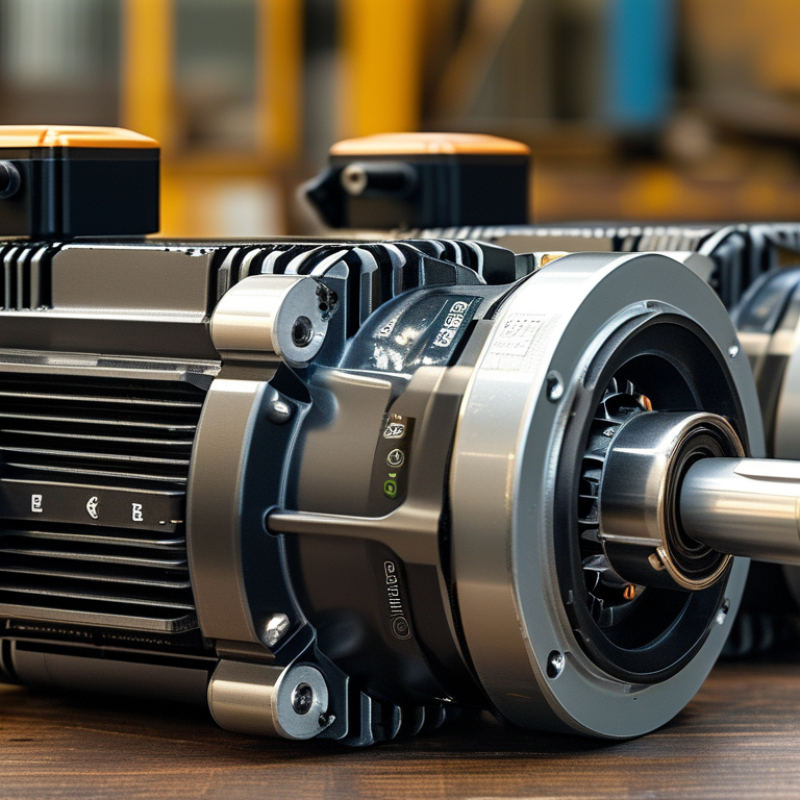
Understanding the Basics of DC Brushless Motors
DC brushless motors are increasingly popular due to their efficiency and reliability. Understanding their basics is vital for making informed choices in your projects. Unlike brushed motors, these models use magnets and sensors to create rotation. This leads to less friction and longer life spans. Silent operation is another significant benefit as there are no brushes to generate noise.
The components of a DC brushless motor include the rotor and stator. The rotor contains permanent magnets, while the stator has coils of wire. When powered, the magnetic fields interact, causing the rotor to spin. This interaction is managed by electronic speed controllers (ESC). Choosing the right ESC is essential for optimal motor performance.
Despite their advantages, there can be pitfalls. An improperly matched ESC can lead to overheating. Additionally, the setup process may require specialized knowledge. Many new users overlook specifications, which can result in inefficiencies. Researching and understanding electric characteristics helps prevent these issues.
Identifying Your Project's Requirements and Specifications
When selecting a DC brushless motor, it is essential to clarify your project's specific requirements. Determine the operational environment your motor will be in. Heat, moisture, and dust can affect performance. For example, motors in robotics may need better sealing compared to those in a controlled indoor setup. Consider the required torque and speed. These metrics directly influence your motor choice.
Another critical aspect is the power supply. Know the operating voltage and current your project demands. An inadequate power supply might lead to underperformance or system failure. Evaluate control options as well. Some applications may need precise speed and position control, while others can function with simple on/off control.
Reflect on your experience with previous projects. What challenges did you face with motor selection? Were there issues with integration or compatibility? Documenting lessons learned can guide future decisions. Each application is unique, and a tailored approach is often necessary. Balancing all these factors can be challenging, but it's critical for project success.
How to Choose the Right DC Brushless Motor for Your Project?
| Specification |
Requirement |
Value |
| Voltage Rating |
Nominal Voltage |
12V |
| Current Rating |
Continuous Current |
2A |
| Speed |
Max Speed |
3000 RPM |
| Torque |
Max Torque |
0.5 Nm |
| Mounting Type |
Mounting Style |
Flange |
| Size |
Dimensions |
40mm x 40mm |
| Control Type |
Control Method |
Closed Loop |
| Efficiency |
Energy Efficiency |
90% |
Comparing Different Types of DC Brushless Motors
When choosing a DC brushless motor for a project, understanding the types available is crucial. Brushless motors can be classified mainly into trapezoidal and sinusoidal types. Trapezoidal motors are simpler to control, making them suitable for applications like robotics or electric vehicles. Conversely, sinusoidal motors provide smoother operation and are often preferred in applications requiring high precision, such as CNC machinery.
According to a recent market report, the global brushless motor market is expected to reach $36 billion by 2025. This growth is driven by advancements in automation and electric vehicle technologies. The efficiency of brushless motors is a significant factor, with some models exceeding 90%. This efficiency translates into longer operational life and reduced maintenance costs. However, the initial cost can be a consideration. A sinusoidal motor generally costs 20-30% more than a trapezoidal one. Understanding these trade-offs can help project managers make informed decisions.
The application context also dictates motor choice. For instance, a robot navigating rough terrain may benefit from the robustness of a trapezoidal motor. However, a drone requiring stable flight and noise reduction may prioritize a sinusoidal motor. Each option has merits and drawbacks. Evaluating performance metrics against project goals is essential.
Evaluating Performance Factors: Torque, Speed, and Efficiency
When choosing a DC brushless motor, understanding torque, speed, and efficiency is crucial. Torque affects how much load a motor can handle. A motor with high torque suits heavy loads. Conversely, lower torque is adequate for lighter applications. Evaluating the torque curve provides insight into performance under various conditions. It's essential to ensure the motor selected meets your project's specific demands.
Speed is another vital factor. Consider the required RPM for your application. High-speed motors are suitable for tasks needing quick movement, while lower speeds work for precision applications. Matching the motor's speed is critical, as an unsuitable speed can lead to inefficiency. Not everyone is aware that achieving the right balance may require adjustment when integrating with other components.
Efficiency is key in extending operational life and battery life in portable applications. An efficient motor converts more input energy into usable output. However, achieving high efficiency often means sacrificing other aspects, like torque or speed. It's a delicate balance to maintain. Reflection on these factors allows for better decision-making. Be prepared to revisit your choices as the project evolves, ensuring optimal performance remains a priority throughout development.
Key Considerations for Sizing and Integration in Your Project
Choosing the right DC brushless motor requires careful sizing and integration considerations. It's vital to match your motor's specifications with your project's needs. Common parameters include voltage, current, torque, and speed. Ensure you have a clear understanding of the load requirements. This aids in selecting a motor that won't underperform or waste energy.
Integration is equally important. Assess the available space for the motor in your design. Compact designs often pose challenges for heat dissipation. Consider how the motor connects with other components. Faulty integration can lead to inefficient performance or increased wear. Sometimes, it may be helpful to prototype using multiple motors to see which fits your design best.
Additionally, reflect on your choice of motor controller. The controller plays a crucial role in managing speed and torque. If the controller can't handle the motor's specifications, it may lead to operational issues. Test your setups under varying conditions to ensure reliability. This approach can unveil shortcomings and provide insights for improvement. Balancing these factors ensures a successful motor integration into your project.
FAQS
: A DC brushless motor consists of a rotor with permanent magnets and a stator with coils of wire.
DC brushless motors are more efficient and reliable, mainly due to the lack of brushes, which reduce friction.
The ESC manages the interaction between the rotor and stator, ensuring optimal motor performance.
Assess the environment, required torque, speed, and power supply to ensure the motor meets your specific needs.
An improperly matched ESC can cause overheating and lead to performance issues, affecting overall efficiency.
Torque determines how much load the motor can handle; higher torque suits heavy applications, while lower suits lighter tasks.
Efficiency affects operational and battery life; an efficient motor converts more energy into usable work.
Yes, choosing the right motor can be complex due to integration issues and compatibility with other components.
Reflect on past project experiences and document challenges to guide future motor selections and improvements.
Yes, often increasing efficiency may require sacrificing torque or speed, requiring careful consideration.
Conclusion
Choosing the right DC Brushless Motor for your project involves a thorough understanding of the fundamentals of these motors, coupled with a clear grasp of your project's specific requirements. Start by identifying the needed specifications such as voltage, current, and environmental conditions. Comparing different types of DC Brushless Motors will allow you to select the one that meets your needs, taking into account their unique characteristics.
Performance factors like torque, speed, and efficiency are critical in evaluating which DC Brushless Motor will deliver the best results. Additionally, consider key factors for sizing and integration, ensuring that the motor fits seamlessly into your existing setup. By carefully analyzing these aspects, you can select a motor that not only fits your project requirements but also enhances overall performance and reliability.
 OmniDrive Motor
