OmniDrive Motor
Choosing the right gear motor in 2026 requires more than comparing prices and catalogue images. Global buyers need dependable torque, efficient power transmission, and stable performance across demanding industrial environments. A conveyor in a cold warehouse faces different conditions from an automated packaging line near the coast. Temperature, dust, load cycles, noise, and available voltage can all change the final selection.
A reliable Gear Motor Solution begins with accurate application data. Engineers should review output speed, starting torque, duty cycle, mounting position, shaft design, and braking requirements. Supplier experience also matters. Technical drawings, test reports, warranty terms, and documented quality procedures can reveal more than attractive product descriptions. Practical verification is essential. A motor that performs well during a short demonstration may struggle after months of frequent starts and stops.
This guide examines proven gear motor technologies, supplier capabilities, efficiency expectations, and purchasing risks for international customers. It considers helical, worm, planetary, and bevel designs, while recognizing that no single structure fits every project. Some specifications may remain incomplete at the quotation stage. That is where careful questions prevent costly mistakes. Buyers should request sample testing, inspection records, and clear after-sales support before approving large orders. Small details matter. Even experienced teams can overlook ambient temperature or duty classification. A thoughtful decision balances performance, compliance, maintenance, delivery reliability, and total ownership cost, not merely the lowest initial price.
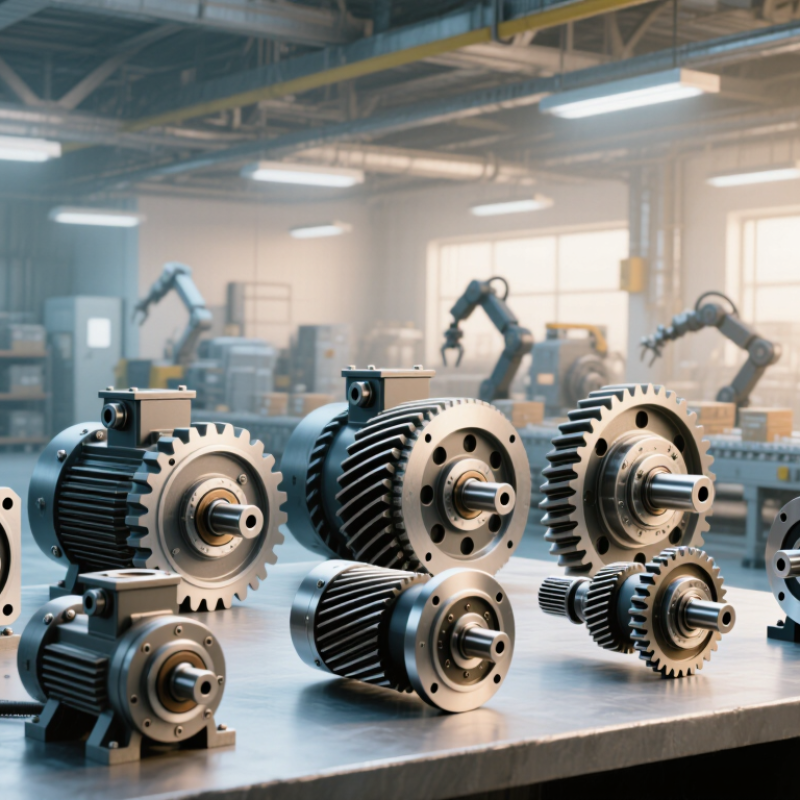
2026 Best Gear Motor Solutions for Global Buyers
Gear Motor Fundamentals and Core Operating Principles
A gear motor combines an electric motor with a gearbox. The motor creates rotational force, called torque. The gearbox changes speed and torque through its gear ratio. A higher reduction ratio usually produces more output torque and slower shaft movement. This trade-off matters in conveyors, mixers, gates, and automated equipment.
A practical selection begins with the driven load. Measure required torque, operating speed, starting resistance, and daily running time. Do not size only from normal running conditions. A conveyor carrying wet material may need much higher starting torque. The service factor should reflect shocks, frequent starts, and changing loads. Small details matter.
Heat is a useful warning. Excessive temperature can indicate overload, poor lubrication, blocked ventilation, or an unsuitable duty cycle. Gear teeth also need correct lubrication and alignment. Misalignment may create noise, vibration, and premature wear. Mounting position can affect oil distribution, so installation instructions deserve careful attention.
Efficiency is never perfect. Some energy becomes heat inside the motor and gearbox. Backlash can also reduce positioning accuracy, especially in reversing systems. I still regard calculated torque as an estimate, not a guarantee. Real loads vary, and field conditions can expose weaknesses that a spreadsheet misses. A reliable solution combines engineering calculations, practical testing, protection requirements, and regular inspection.
This chart shows the theoretical output speed produced by a 4-pole AC motor operating at 50 Hz with commonly used reduction ratios. The calculation uses the synchronous motor speed of 1,500 rpm divided by the gearbox ratio. Actual induction-motor output speed may be slightly lower because of slip and operating load.
Formula: Output speed = 1,500 rpm ÷ reduction ratio. Values are calculated engineering figures and do not represent any specific company or brand.
For global buyers, choosing a gear motor starts with understanding how each design behaves under real loads. Helical gear motors deliver efficient, quiet operation and suit conveyors, mixers, and packaging lines. Their typical efficiency can exceed 90%, depending on size, lubrication, and alignment. They also handle continuous duty well, but their longer housing may require more installation space.
Worm gear motors offer compact right-angle transmission and strong self-locking potential. They are useful for gates, lifts, and positioning systems with moderate speed demands. However, sliding contact creates more heat and lower efficiency, often near 50–85%.
Planetary gear motors provide high torque density, excellent rigidity, and low backlash. They fit robotics, servo systems, and compact automation equipment. Their precision comes with higher cost and greater sensitivity to shock loads and poor lubrication.
Bevel-helical gear motors combine right-angle output with relatively high efficiency. They work well where floor space is restricted and continuous torque matters. During commissioning, technicians should check noise, vibration, temperature, and current draw after several operating hours.
A motor that performs well without a load may struggle during startup. I have seen buyers focus too heavily on rated torque. That is not enough. Service factor, duty cycle, ambient temperature, shaft orientation, brake requirements, and maintenance access can change the correct choice. No selection rule is perfect. Manufacturer test data should be compared with measured application conditions, not copied without review.
How to Select the Right Gear Motor for Global Applications
Selecting a gear motor starts with the load, not the catalogue. Record torque, speed, duty cycle, starts per hour, and mounting position. A conveyor carrying warm, dusty material needs different protection from a clean packaging line. IEA’s Energy-Efficiency Market Report 2016 estimates that electric motor systems use about 53% of global electricity. Small efficiency losses can become expensive over long operating hours.
Check the application’s real operating point. A motor running far below its rated load may waste energy, while an undersized unit can overheat during acceleration. The U.S. Department of Energy’s 2023 Motor Systems Market Assessment reports that motor-driven equipment consumes roughly 70% of industrial electricity in the United States. Efficiency class matters, but gearbox losses, controls, maintenance, and standby time matter too. Do not compare nameplate efficiency alone.
Global conditions require practical verification. Confirm voltage, frequency, ambient temperature, enclosure rating, insulation class, shaft dimensions, and local certification requirements. IEC 60034-30-1 provides a widely used framework for motor efficiency classes, but regional acceptance can still differ. Ask for tested performance curves and documented duty ratings. A supplier’s calculation may look precise, yet actual friction, misalignment, and overloads can change results. We sometimes select a larger safety margin too quickly. Recheck the measured load before paying for unnecessary capacity. Availability of bearings, seals, and service support also deserves attention, especially where downtime is costly.
2026 Best Gear Motor Solutions for Global Buyers
Selecting a gear motor starts with the real load, not the highest catalog rating. Measure required torque, output speed, starting demand, duty cycle, and available voltage. A conveyor moving wet cartons may need higher starting torque than its running load suggests. Allow a practical service factor, but avoid excessive oversizing. It increases cost and can reduce control accuracy.
Efficiency ratings require careful reading. Check the motor’s efficiency class separately from gearbox efficiency. Helical and planetary designs often deliver better efficiency than worm systems, especially during continuous operation. Test performance at the expected load and speed. No-load figures can look impressive. They can also mislead. Record heat, current draw, and noise after several operating hours.
Compatibility determines whether a reliable unit becomes a costly installation. Confirm mounting dimensions, shaft diameter, keyway, rotation, brake requirements, controller signals, and cable entry. An IP rating should match dust, washdown, and humidity exposure. Review ambient temperature and installation altitude too. Fit matters. A small mismatch may require new couplings or structural changes. Global buyers should request certified voltage data, dimensional drawings, test records, and clear warranty terms. I would also question vague efficiency claims, because published conditions are not always the conditions on your production floor.
Global purchasing begins with measurable requirements, not catalogue images. The International Energy Agency reports that motor-driven systems consume roughly half of global electricity. Efficiency deserves early attention. Specify output torque, speed, duty cycle, ambient temperature, voltage, frequency, and mounting position. A conveyor in a dusty warehouse needs different protection from a clean packaging line. I have seen avoidable failures caused by missing service-factor data.
Ask suppliers for efficiency test results, dimensional drawings, noise values, material declarations, and traceable inspection records. IEC 60034 supports consistent motor performance testing, while IEC 60529 defines IP protection ratings. These standards improve comparison across regions. However, compliance documents can still hide weak assumptions. Check whether ratings apply to the complete gear motor or only its motor section. Confirm certificates with the issuing body when purchases are large.
Installation should include alignment, foundation flatness, cable sizing, grounding, and correct lubricant selection. Leave room around the housing. Heat has nowhere to escape in a cramped cabinet. Maintenance teams should record vibration, temperature, oil condition, and current trends. The U.S. Department of Energy identifies motor-system maintenance and controls as major energy-saving opportunities. Yet preventive schedules are not universal. A dusty site may need inspection every month, while a clean, lightly loaded machine may need less frequent checks. Review the schedule after real operating data appears.
A gear motor combines an electric motor with a gearbox. The motor creates torque. The gearbox adjusts speed and output force.
A higher reduction ratio usually provides more output torque and slower shaft movement. This suits conveyors, gates, and mixers. The trade-off is real.
Measure required torque, operating speed, starting resistance, and daily running time. Include shocks, frequent starts, and changing loads. Normal running data alone can mislead.
Wet material may create heavy resistance during startup. A motor sized only for smooth operation may stall. Check the loaded starting condition.
Helical designs usually offer efficient and quiet operation. They fit conveyors, mixers, and packaging equipment. Their longer housing needs more space.
Worm designs provide compact right-angle transmission and possible self-locking. They suit gates, lifts, and moderate-speed positioning systems. They may produce more heat.
Planetary designs provide high torque density, strong rigidity, and low backlash. They suit robotics and compact automation. Higher cost is a limitation.
Check noise, vibration, temperature, and current draw after several operating hours. Test the motor under load. No-load performance proves little.
Confirm alignment, foundation flatness, cable sizing, grounding, lubricant, and mounting position. Keep space around the housing for cooling. Blocked airflow raises temperature.
Record vibration, temperature, oil condition, and current trends. Inspect dusty sites more often than clean sites. Real data should change the schedule.
This guide presents a practical Gear Motor Solution for global buyers seeking reliable, efficient, and application-ready power transmission. It explains the fundamentals of gear motors, including how the motor and gearbox work together to convert speed into usable torque. It also compares major types, such as helical, worm, planetary, and bevel gear motors, highlighting differences in efficiency, torque capacity, noise, maintenance needs, and suitability for various operating environments.
The article further outlines how to select the right unit by evaluating load, speed, duty cycle, starting torque, mounting arrangement, environmental conditions, and control requirements. Key specifications, efficiency ratings, voltage compatibility, protection levels, and international standards are reviewed to support informed purchasing decisions. In addition, readers will find practical guidance on global procurement, documentation, installation, alignment, lubrication, inspection, and preventive maintenance, helping improve service life, operating safety, and long-term system performance.
